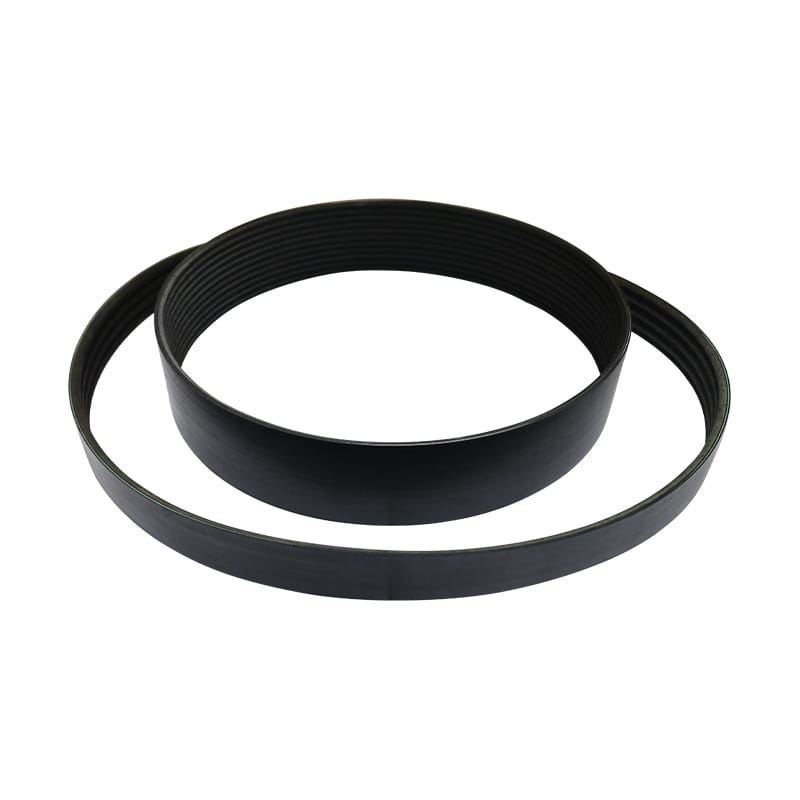
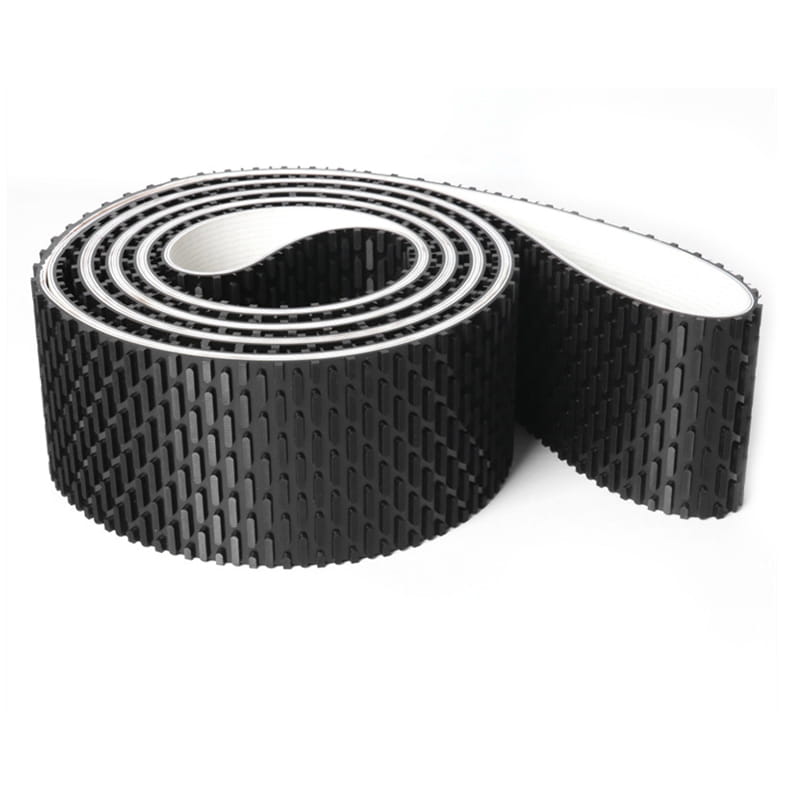
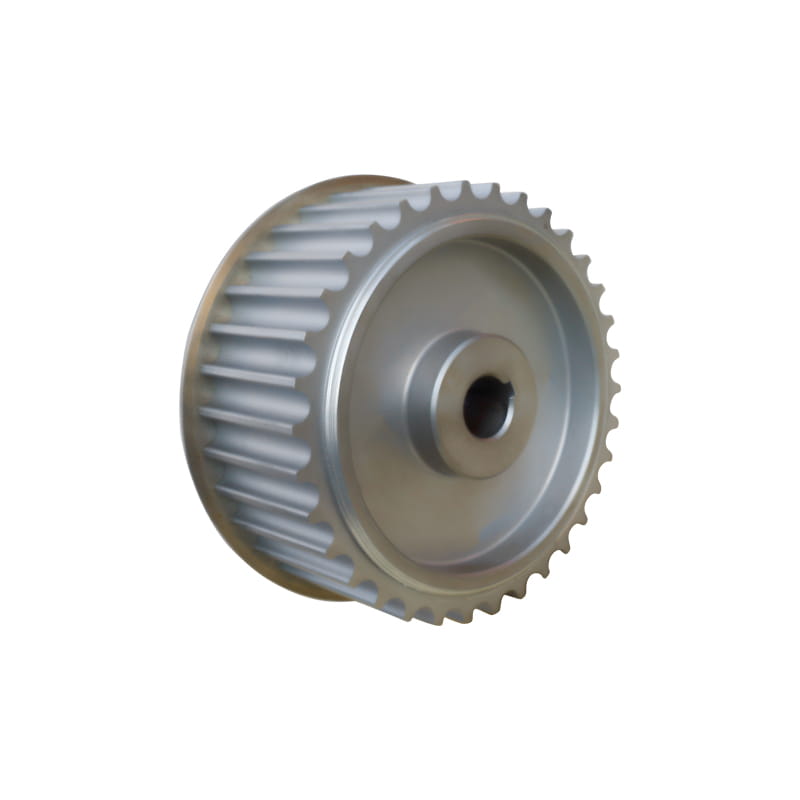
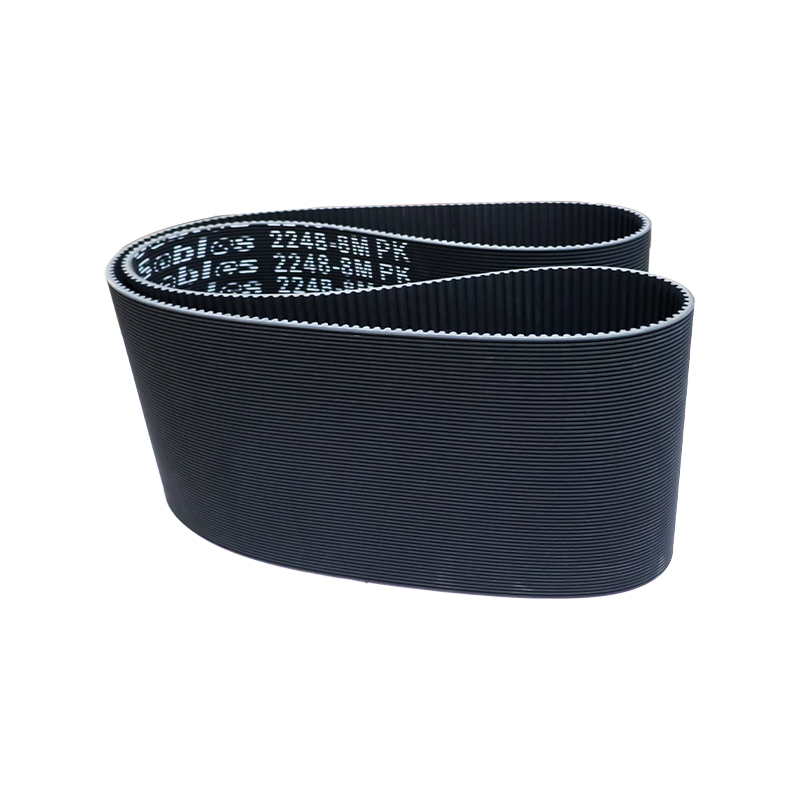
Gumové rebrované pásy — najčastejšie videné ako hadovité remene alebo poly-V remene v automobilových a priemyselných strojoch — majú typickú životnosť 60 000 až 100 000 míľ (približne 96 000 až 160 000 km) v automobiloch , alebo zhruba 3 až 5 rokov nepretržitej prevádzky v priemyselnom prostredí . Skutočná životnosť sa však značne líši v závislosti od prevádzkových podmienok, intenzity zaťaženia, vplyvu prostredia a kvality samotného materiálu pásu. Niektoré vysokokvalitné remene pri miernom zaťažení v kontrolovanom prostredí vydržia viac ako 100 000 míľ, zatiaľ čo remene vystavené vysokej teplote, nesprávnemu nastaveniu alebo chemikáliám môžu zlyhať pod 40 000 míľ. Pochopenie toho, čo sa disky opotrebúvajú a ako zistiť skorú degradáciu, vám umožní maximalizovať životnosť a vyhnúť sa neočakávaným poruchám.
Životnosť podľa typu aplikácie
Gumové rebrované remene sa používajú v širokej škále priemyselných odvetví a aplikácií. Každé prostredie spôsobuje iné namáhanie, takže očakávaná životnosť sa výrazne líši od jedného kontextu k druhému.
| Aplikácia | Typická životnosť | Primárny faktor opotrebovania |
| Automobilový hadovitý pás | 60 000 – 100 000 míľ | Tepelné cykly, opotrebovanie napínača |
| Automobilové rozvody / pohon príslušenstva | 50 000 – 80 000 míľ | Vysoké napätie, tepelné namáhanie |
| Pohon HVAC / kompresora | 3-5 rokov nepretržite | Konštantná záťaž, okolité teplo |
| Priemyselný dopravník/stroje | 2-4 roky (s údržbou) | Nesprávne nastavenie, preťaženie |
| Vybavenie fitness / bežeckého pásu | 4-7 rokov (ľahké používanie) | Trenie, prerušované zaťaženie |
| Poľnohospodárske / outdoorové vybavenie | 1 000 – 2 000 prevádzkových hodín | UV, prach, vlhkosť, premenlivá záťaž |
Odhadované rozsahy životnosti pre gumené rebrované remene v bežných kategóriách použitia.
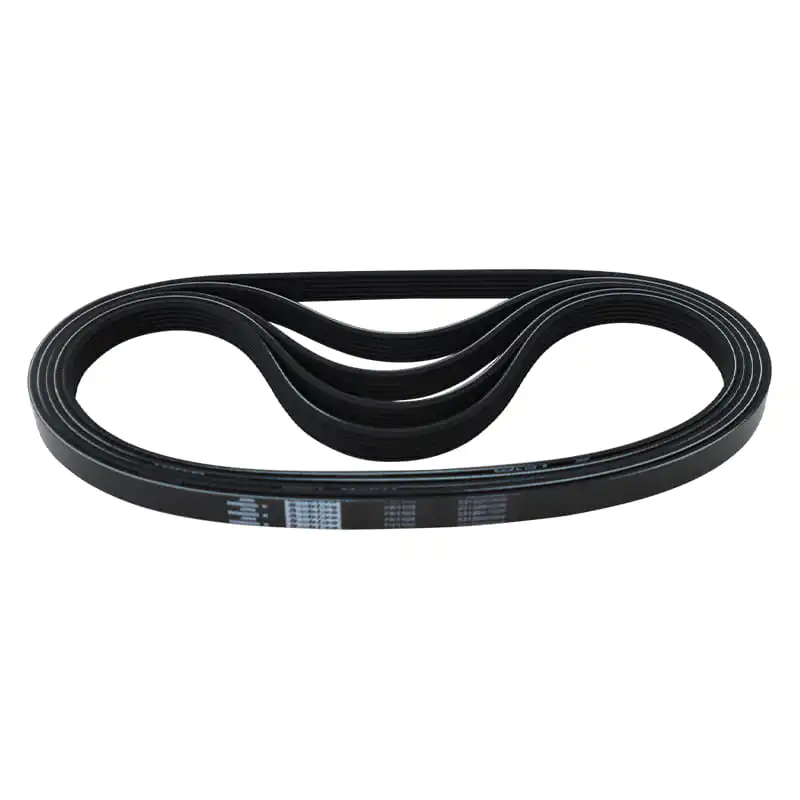
Vďaka čomu sú gumené rebrované pásy odolné
Odolnosť gumených rebrovaných remeňov vychádza z ich vrstvenej konštrukcie, ktorá kombinuje viaceré materiály navrhnuté tak, aby odolávali špecifickým poruchovým režimom bežným v aplikáciách prenosu energie.
EPDM kaučuková zmes
Moderné gumené rebrované remene sú prevažne vyrobené z etylénpropyléndiénového monoméru (EPDM), ktorý nahradil staršie neoprénové formulácie vo väčšine automobilových a priemyselných remeňov v priebehu 90. a 20. storočia. EPDM ponúka vynikajúcu odolnosť voči teplu, ozónu a oxidácii v porovnaní s neoprénom umožňuje remeňom zachovať si pružnosť a pevnosť v ťahu v širšom teplotnom rozsahu – zvyčajne od -40 °F (-40 °C) do viac ako 250 °F (121 °C). Pretože sa EPDM opotrebováva postupnejšie a nepraská ani neleskne tak viditeľne ako neoprén, tiež sťažuje posúdenie stavu bez fyzickej kontroly.
Ťahové šnúry vystužené vláknami
Vo vnútri gumeného tela sú vysoko pevné ťahové kordy – zvyčajne vyrobené z polyesteru, aramidu (kevlarového typu) alebo sklolaminátu – ktoré nesú väčšinu mechanického zaťaženia. Tieto kordy zabraňujú napínaniu remeňa pod napätím a udržiavajú správnu dĺžku remeňa a geometriu záberu v priebehu času. Aramidové vystužené pásy dokážu odolať ťahovým silám o 40–60 % vyšším ako polyesterové ekvivalenty , vďaka čomu sú preferovanou voľbou pre priemyselné pohony s vysokým zaťažením a výkonné automobilové aplikácie.
Dizajn rebrovaného profilu
Pozdĺžne rebrá v tvare V na vnútornom povrchu remeňa zvierajú zodpovedajúce drážky na kladke, čím znásobujú kontaktnú plochu v porovnaní s plochým remeňom. Táto konštrukcia rozdeľuje zaťaženie medzi viaceré rebrá súčasne, čím sa znižuje namáhanie akéhokoľvek jediného kontaktného bodu a umožňuje sa účinnosť prenosu energie až 98% pričom výrazne znižuje mieru opotrebovania. Rebrový profil tiež umožňuje hladké ohýbanie pásu okolo kladiek s malým priemerom bez nadmerného namáhania v ohybe.
Kľúčové faktory, ktoré skracujú životnosť gumeného rebrovaného pásu
Nadmerné teplo
Teplo je jediným najškodlivejším faktorom pre gumené rebrované remene. Pri každom zvýšení prevádzkovej teploty o 10 °C nad konštrukčný rozsah sa degradácia gumy zrýchli približne dvojnásobnou rýchlosťou – dobre zavedený princíp vo vede o polyméroch známy ako Arrheniusovo pravidlo. Automobilový hadovitý remeň pracujúci v nedostatočne vetranom motorovom priestore, ktorý neustále beží 220 °F (104 °C) namiesto konštrukčného optima 185 °F (85 °C) môže mať skrátenú životnosť o 30–50 %. Teplo spôsobuje, že guma časom stvrdne, praskne a stratí elasticitu, čo môže viesť k delaminácii rebier alebo prasknutiu pásu.
Nesprávne nastavenie kladiek
Vychýlenie remenice — buď uhlové (remenice naklonené voči sebe) alebo paralelné (remenice posunuté bočne) — spôsobuje nerovnomerné opotrebovanie rebier a generuje abnormálne bočné zaťaženie okrajov remeňa. Dokonca aj nesprávne nastavenie už o 0,5 stupňa môže znížiť životnosť remeňa o 20 – 30 % a pri zaťažení produkovať charakteristický pískavý zvuk. V priemyselných pohonných systémoch je nesprávne nastavenie zodpovedné za odhadom 50 % predčasných porúch remeňa.
Nesprávne napnutie remeňa
Prepätie aj podpnutie skracujú životnosť remeňa. Príliš napnutý remeň spôsobuje nadmerné ohybové napätie na ťahové kordy pri každej otáčke okolo remenice, čo spôsobuje únavové trhliny vo vrstve kordu. Nedostatočne napnutý remeň pri zaťažení skĺzne, vytvára teplo trením a rýchlo obrusuje čelá rebier. Ideálne napätie je špecifické pre systém, ale väčšina výrobcov špecifikuje a priehyb približne 1/64 palca na palec rozpätia pásu pod miernym tlakom palca ako všeobecný poľný sprievodca.
Olej, chladiaca kvapalina a chemická kontaminácia
Dokonca aj malé množstvá ropného oleja alebo chladiacej kvapaliny motora na povrchu remeňa spôsobujú napučiavanie, zmäkčenie a delamináciu gumovej zmesi. Remeň znečistený motorovým olejom môže vo vnútri stratiť štrukturálnu integritu niekoľko tisíc míľ , ďaleko za svojou menovitou životnosťou. Chemické rozpúšťadlá, hydraulické kvapaliny a kyslé prostredie tiež napádajú gumovú matricu. Ak sa zistí kontaminácia, zdroj (netesné tesnenie, hadica alebo tesnenie) sa musí opraviť pred inštaláciou náhradného remeňa, inak predčasne zlyhá aj nový remeň.
UV žiarenie a ozónová expozícia
Vonkajšie a poľnohospodárske aplikácie vystavujú pásy ultrafialovému žiareniu a atmosférickému ozónu, ktoré oba napádajú povrch gumy a časom spôsobujú praskanie povrchu (ozónové praskanie). Zatiaľ čo EPDM ponúka lepšiu odolnosť voči ozónu ako neoprén, dlhodobé vystavenie vonkajšiemu prostrediu stále urýchľuje starnutie. Pásy skladované na priamom slnečnom svetle alebo používané na otvorenom poľnohospodárskom zariadení môžu vykazovať degradáciu povrchu 12-18 mesiacov inštalácie, aj keď ich ťahové jadro zostane neporušené.
Opotrebované alebo poškodené kladky
Inštalácia nového remeňa na opotrebované, skorodované alebo drážkované remenice je jednou z najčastejších príčin skorého zlyhania remeňa v prostredí údržby. Kladka s opotrebovanými drážkami už nezabezpečuje úplné zapojenie rebier, sústreďuje napätie na hroty rebier a urýchľuje opotrebenie. Opotrebenie drážky kladky viac ako 0,02 palca (0,5 mm) zvyčajne zaručuje výmenu pred montážou nového remeňa.
Ako skontrolovať opotrebovanie gumeného rebrovaného pásu
Pretože EPDM remene viditeľne nepraskajú, kým nie sú takmer na konci svojej životnosti, samotná vizuálna kontrola je pre moderné rebrované remene nedostatočná. Použite kombináciu vizuálnych, hmatových a meraní založených na kontrole:
- Hĺbka opotrebovania rebier: Na meranie výšky rebier použite nástroj na meranie opotrebovania rebrovaného remeňa (dostupný u väčšiny dodávateľov pre automobilový a priemyselný priemysel). Nový remeň má zvyčajne rebrá hlboké 1,6–2,0 mm; vymeňte remeň, keď hĺbka rebra klesne pod 1,0 mm .
- Povrchové praskanie: Ohnite pás ohnutím dozadu (vnútorný povrch smerom von) v 90-stupňovom uhle a hľadajte trhliny na spodnej časti rebier. Akékoľvek praskliny viditeľné voľným okom naznačujú, že guma stratila elasticitu a výmena je oneskorená.
- Glazovaný alebo tvrdený povrch: Prejdite prstom po povrchu rebier. Zdravý pás pôsobí mierne lepkavo; zasklený pás je hladký a tvrdý – znak poškodenia teplom alebo skĺznutia. Glazované pásy strácajú účinnosť priľnavosti a mali by sa vymeniť.
- Chýbajúce alebo narezané rebrá: Skontrolujte každé rebro, či nedošlo k strate materiálu, kúskom alebo rozstrapkaným okrajom. Chýbajúce časti rebier spôsobujú okamžité vibrácie a nerovnomerné rozloženie zaťaženia na ostatné rebrá.
- Hluk počas prevádzky: Pískanie počas štartovania alebo pri zaťažení naznačuje preklzávanie remeňa v dôsledku nedostatočného napätia alebo zasklenia. Cvrlikanie (krátke, rytmické) často poukazuje na nesprávne nastavenú kladku. Každý príznak vyžaduje okamžitú kontrolu.
- Rozstrapkanie hrán alebo odhalenie šnúry: Rozstrapkané okraje remeňa alebo viditeľné ťahové kordy naznačujú vážne opotrebovanie alebo poškodenie remenice. Toto je podmienka okamžitej výmeny — nepokračujte v prevádzke zariadenia.
Ako maximalizovať životnosť gumeného rebrovaného pásu
Predĺženie životnosti remeňa nad priemerný rozsah je možné dosiahnuť prostredníctvom disciplinovaných postupov inštalácie a bežnej údržby. Nasledujúce kroky platia rovnako pre automobilové a priemyselné aplikácie:
- Vymeňte napínacie a napínacie kladky súčasne s remeňom. Opotrebované ložiská v napínačoch alebo napínacích kladkách vytvárajú vibrácie a nerovnomerné zaťaženie, ktoré ničí nový remeň za zlomok jeho menovitej životnosti. V automobilových aplikáciách je spoločná výmena týchto komponentov štandardnou praxou a prináša len malé náklady v porovnaní s vynaloženou prácou.
- Pred inštaláciou skontrolujte zarovnanie remenice. Pomocou rovnej hrany alebo nástroja na zarovnanie lasera skontrolujte, či sú všetky remenice koplanárne. Dokonca aj malé uhlové odchýlky sa hromadia do značného opotrebovania počas tisícok prevádzkových hodín.
- Nastavte napätie presne podľa špecifikácie výrobcu. Namiesto toho, aby ste sa spoliehali iba na pocit, použite merač napnutia, najmä pri priemyselných pohonoch s vysokým zaťažením, kde je správne napnutie rozhodujúce pre životnosť remeňa aj výkon poháňaných komponentov.
- Pred inštaláciou nového remeňa skontrolujte hnací systém, či neobsahuje zdroje znečistenia. Úniky oleja, presakovanie chladiacej kvapaliny a rozliatie chemikálií sa musia opraviť pri zdroji pred nasadením nového remeňa.
- Správne skladujte náhradné remene. Gumové rebrované pásy by sa mali skladovať v chladnom (pod 25 °C), suchom prostredí mimo dosahu priameho svetla, zdrojov ozónu (elektromotory, zváracie zariadenia) a ropných produktov. Správne uložené remene si zachovávajú plný výkon pre do 6 rokov od dátumu výroby .
- Dodržujte proaktívny plán výmeny. V kritických aplikáciách – automobilové hadovité systémy, priemyselné pohony s nepretržitou prevádzkou – vymeňte remeň na dolnom konci jeho menovitého servisného intervalu bez ohľadu na zdanlivý stav, namiesto toho, aby ste čakali na príznaky poruchy.
- Použite správnu špecifikáciu pásu pre danú aplikáciu. Inštalácia pásu, ktorý je trochu príliš krátky alebo príliš dlhý, alebo má nesprávny profil rebra (napr. úsek PK vs. PJ), vytvára okamžité napätie a dramaticky skracuje životnosť. Pred zakúpením náhradného dielu si vždy overte presné špecifikácie OEM alebo výrobcu.
Rebrový profil a časť pásu: Má to vplyv na dlhovekosť?
Gumové rebrované pásy sú vyrábané v štandardizovaných rebrových profiloch, z ktorých každý je navrhnutý pre špecifický rozsah požiadaviek na prenos sily. Označenie profilu ovplyvňuje nielen výkonovú kapacitu, ale aj polomer ohybu, pružnosť a v konečnom dôsledku aj únavovú životnosť remeňa.
| Sekcia pásu | Rozstup rebier (mm) | Typické použitie | Relatívny únavový život |
| PH | 1,6 mm | Malé spotrebiče, nenáročné | Mierne |
| PJ | 2,34 mm | Vysávače, elektrické náradie, fitness zariadenia | Dobre |
| PK | 3,56 mm | Automobilový serpentín, HVAC, kompresory | velmi dobre |
| PL | 4,70 mm | Poľnohospodárske, ťažké priemyselné pohony | Výborne |
| PM | 9,40 mm | Veľmi ťažké priemyselné pohony s vysokým krútiacim momentom | Výborne |
Štandardné poly-V profily rebrovaného remeňa s typickými aplikáciami a relatívnou únavovou životnosťou.
Väčšie časti rebier (PL, PM) rozdeľujú zaťaženie na väčšiu kontaktnú plochu, čím znižujú napätie na rebro a prispievajú k dlhšej únavovej životnosti v scenároch vysokého zaťaženia. Menšie časti (PH, PJ) sú navrhnuté tak, aby sa ohýbali okolo veľmi malých kladiek, kde je minimalizácia ohybového napätia dôležitejšia ako maximálna nosnosť.
Kedy nahradiť: Rozhodnutia založené na intervaloch vs
Existujú dva bežné prístupy k výmene rebrovaného gumeného remeňa: výmena v pravidelných intervaloch a výmena podľa stavu. Každý má praktické výhody v závislosti od kritickosti aplikácie.
Plánovaná výmena intervalov
Pre kritické aplikácie, kde porucha remeňa spôsobuje významné bezpečnostné alebo prevádzkové následky – ako sú napríklad automobilové hadovité remene poháňajúce čerpadlo posilňovača riadenia, alternátor a vodné čerpadlo – je výmena remeňa v pevnom kilometrovom alebo časovom intervale najbezpečnejším prístupom. Väčšina výrobcov automobilov odporúča výmenu za 60 000 – 90 000 míľ ako preventívny interval, bez ohľadu na zjavný stav pásu. Toto je obzvlášť dôležité pre pásy EPDM, ktoré nevykazujú viditeľné praskliny pred poruchou, ako to robili staršie neoprénové pásy.
Výmena podľa stavu
V priemyselnom prostredí s pravidelnými kontrolnými programami môže výmena podľa stavu pomocou meradiel opotrebenia rebier, merania napnutia a vizuálnych kontrol predĺžiť životnosť remeňa nad rámec štandardných intervalov pri zachovaní bezpečnosti. Tento prístup si vyžaduje vyškolený personál údržby, zdokumentované záznamy o kontrole a prístup k meracím nástrojom. Keď hĺbka rebier klesne pod minimálnu prahovú hodnotu alebo sa objavia príznaky hluku, výmena je spustená skôr stavom ako kalendárom.
Pre väčšinu používateľov je najpraktickejší hybridný prístup: nahradiť podľa plánu v aplikáciách s vysokým podielom a pravidelne kontrolovať v systémoch s nižšou kritickosťou , ktorý v prípade potreby nahradí, keď indikátory stavu spustia akciu pred plánovaným intervalom.
Zhrnutie: Vyťažte maximum zo svojho gumeného rebrovaného opasku
Gumové rebrované remene sú navrhnuté tak, aby vydržali 60 000 – 100 000 míľ pri použití v automobiloch a 2 – 5 rokov v nepretržitej priemyselnej prevádzke , ale skutočná životnosť veľmi závisí od prevádzkových podmienok. Teplo, nesprávne nastavenie, kontaminácia a nesprávne napnutie sú štyri hlavné príčiny predčasného zlyhania – a všetkým sa dá predísť správnou inštaláciou a postupmi údržby. Remene so zmesou EPDM používané v moderných aplikáciách pred zlyhaním viditeľne nepraskajú, vďaka čomu je proaktívna kontrola pomocou meračov opotrebovania a plánovaných intervalov výmeny základnými stratégiami na predchádzanie neočakávaným prestojom. Výberom správnej časti remeňa, udržiavaním správneho napnutia, súčasnou výmenou opotrebovaných kladiek a napínačov a správnym skladovaním náhradných remeňov môžete dôsledne dosiahnuť – a často aj prekročiť – horný koniec rozsahu menovitej životnosti.